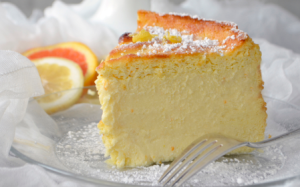
Place ricotta in a sieve over a bowl and let drain for 1 hour.
Triple wrap the bottom and sides of 3×10-inch springform pan with aluminum foil. Butter the sides, bottom and rim of pan. Mix the smashed Graham Crackers with 1 teaspoon sugar and coat the pan.
Preheat the oven to 350ºF. Fill a teapot with water and bring to a boil. Place the Mascarpone in the bowl of an electric mixer and beat until light. Transfer to a small bowl; then add ricotta and lemon zest to bowl of electric mixer. Beat at low speed until smooth. Beat in the eggs one at a time until smooth. Beat in the remaining 1½ cups sugar. Continue to beat until mixture is very smooth. Beat in the Mascarpone, vanilla and lemon juice. Pour into the pan and smooth the top.
Place the pan inside a roasting pan whose sides are not higher than the cake pan. Open oven and pull rack out halfway — make sure it’s stable. Place pan on rack, then pour in the boiling water from the teapot into the larger pan to within 1 inch of the top of the smaller pan. Bake for one hour and 15 minutes. Test with finger — the top should spring back a bit. Give the pan a shake — if the batter ripples under the surface too much, it probably needs more time. It should be slightly golden on top. Note: Cooking times will vary dramatically depending on your oven, the pan you are using for the water bath and what type of fresh ricotta you are using. Start checking at 1 hour and 15 minutes. If you have a Thermapen (highly recommend!), use it to test the temp of the cheesecake, and remove the cheesecake when the thermometer reads 150-155ºF.
Remove and let cool to room temperature in the water bath. Refrigerate overnight or for at least 4 hours before serving. It will firm up as it rests.
To unmold, slide a thin knife around the cake edges. Release the sides of the springform pan. Refrigerate until serving.
Place the potatoes in a large pot, and cover with water and add 1 tablespoon of Salt. Bring to a boil, and cook until the potatoes are tender, about 20 minutes. Drain and allow to cool. When cool, cut the potatoes in half.
Combine the vinegar and mustard in a large bowl. Slowly whisk in the olive oil.
Add the potatoes to the vinaigrette, and mix gently but thoroughly. Toss in the scallions, parsley and dill. Add Salt and Black Pepper to taste.
Paella valenciana is the traditional paella of the Valencia region, believed to be the original recipe and consists of round grain rice,bajoqueta and tavella (varieties of green beans), peas, rabbit, chicken, sometimes duck and garrofó (a variety of lima or butter bean) cooked in olive oil and chicken broth. The dish is (sometimes) seasoned with whole rosemary branches. Traditionally, the yellow color comes from saffron, but turmeric and calendula can be used as substitutes. Artichoke hearts and stems may be used as seasonal ingredients.
Paella de Marisco is the seafood paella that Americans know so well. They do make it in Spain but Paella Valencia (no seaffood) is the original Paella and the one that Spaniards eat the most. For Paella Marisco, seafood replaces the meat with various seafood items and omits beans and green vegetables, while paella mixta (mixed paella) combines meat, seafood, vegetables, and sometimes beans, with the traditional rice.
RECIPE CHICKEN & CHORIZO PAELLA
4ozFratelli Beretta Chorizosliced into half moons
2 tablespoons Olive Oil
8 Chicken Thighs (bone in)
1/2onionpeeled & diced
1/2bell pepperred, yellow or orange
2garlic cloves, peeled and minced
1/2tspsmoked Spanish paprika
1cuparroz bomba or other short grain rice
2cupslow sodium chicken broth
1/4tspsaffron threadsa generous pinch
salt and pepper, to taste
2tbspfresh parsley, for garnish
Preparation :
Combine the saffron threads with 2 cups of warm chicken broth to let it infuse. Set aside.
Season chicken with salt and pepper on both side Heat about 1 tablespoon olive oil in a large 12 inch shallow skillet or paella pan over medium heat. Cook the chicken about 5-6minutes per side, until browned on both sides. Remove from pan and transfer to a plate.
To the same pan, add the onions, bell peppers, garlic, and smoked paprika, adding more olive oil to the pan if needed. Cook until softened and fragrant. Add chorizo to the pan and cook for about 3 minutes until the chorizo is fragrant, stirring occasionally.
Add the rice and stir, to toast the rice. Cook about 2-3 minutes. Stir in the chicken broth and saffron threads. Season with 1/4 teaspoon salt and ¼ teaspoon ground black pepper.
Nestle the chicken into the rice (don't stir anymore at this point.) Cook uncovered for 20-25 minutes on low, rotating occasionally if one side of the pan is cooking less than the other. This will also prevent the bottom from burning.
Remove from heat and cover with foil for 10 minutes. During this time, the rice will absorb the remaining liquid and flavors. Garnish with parsley, and lemon wedges, if desired.
NOTE : If you want Seafood in your Paella, just add a couple Shrimp for each person to this recipe.
HOW to MAKE AUTHENTIC PAELLA VALENCIANA
If you do not want to use Rabbit, you can leave it out and
substitute more chicken or pork ribs for the rabbit.
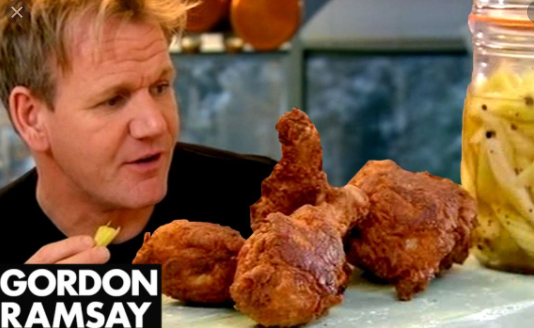
Marination is the heart of this dish. To marinate place the chicken in a bowl, add the buttermilk so the chicken is completely coated with it. Sprinkle required quantity of salt and mix well. Put this to refrigerate overnight. Do not forget to cover the bowl with cling film. The buttermilk with gives a soft tangy tenderness to the chicken as this is most important ever to a number of people who are well known.
Once you are ready to cook, take the marinated chicken out of the refrigerator and allow it to get back to room temperature. Now its time for the coating.
Coating- For that, in a bowl put the flour spread across the container. For seasoning add smoked paprika, cayenne pepper, required salt, a pinch of pepper and garlic powder. Run your fingers through the mix and get the perfect coating ready. This spicy mix gives a nice texture to the chicken.
Take the chicken pieces one by one from the marination bowl, shake off the excess buttermilk and lay the chicken to the Coating. Roll the chicken with your hands to get it covered completely with the coating. If you like your chicken to be more crispy, repeat the process by dipping the chicken once again in buttermilk and coat it again with seasoned flour. It may look a little scrappy but it will blister beautifully when it hits the oil to give a perfect look with a crunch.
We are ready to fry. Make sure the oil is hot up to 325F. Drop the first chicken pieces carefully into the oil. Always keep a gap of 5 sec before dropping each of the pieces of chicken so that the breading sets into the oil and they don’t stick to each other.
While the chicken is getting fried, the temperature for few minutes will fall a bit as the chicken is cold and the temperature will get back once the chicken settles down in the oil.
Gently turn the pan which will give a slight movement to the chicken pieces. This will make sure nothing sticks to the bottom of the pan. Turn the pieces constantly up to 25-30 minutes, until its evenly fried and turns golden.
Now its time to take out the chicken. Drain the excess oil and lay them on a kitchen paper.
To get it even crispier and deeply moist inside, allow it to cook even further in the oven. Sprinkle the chicken pieces with some salt and put it into the oven for 6-7 minutes.